





By using our website, you agree to the use of cookies as described in our Cookie Policy
Most Roseville homeowners think water damage is just about mopping up and moving on. Wet spot, dry it out, problem solved. But structures don't work that way — and if you treat every leak like a surface issue, you're setting yourself up for a nightmare down the road. Water doesn't announce itself. It creeps behind drywall, settles into subflooring, and builds problems you won't see until the bill shows up.
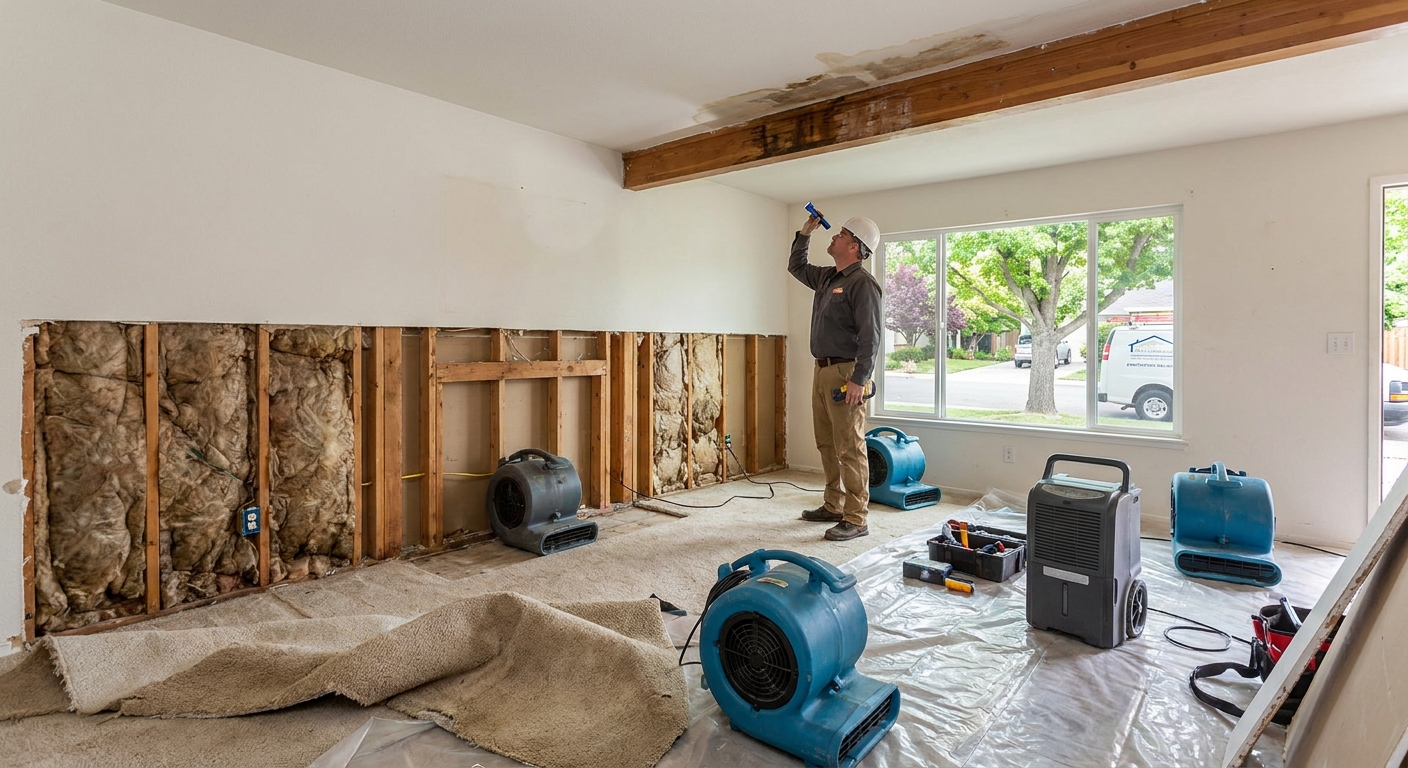
So here's the reality. If water's gotten into your home, that's not just an inconvenience. It's a ticking clock. Every hour you wait gives moisture more time to spread, more surfaces to ruin, and more opportunities to turn a quick fix into a gut job. The difference between a patch and a full-scale renovation often comes down to how fast you move — and whether you're willing to dig deeper than what's visible.
Water Finds Its Way Into Everything
A roof leak doesn't just wet the ceiling. It runs down rafters, soaks insulation, and drips into walls where you'll never spot it. A burst pipe under the sink doesn't stop at the cabinet — it seeps into flooring, works its way under tile, and saturates the subfloor before you even notice the puddle. Water moves. And it doesn't care about your timeline or your budget.
What makes it worse is that the damage rarely shows up right away. You might see discoloration or feel a damp patch, but by the time those signs appear, the real destruction is already happening behind the scenes. Wood starts to warp. Drywall begins to crumble. And mold? That's already setting up shop in the dark, damp spaces you can't reach with a towel.
The Patch Job That Costs You Later
We've seen it too many times. Homeowner notices a stain, grabs some spackle, slaps on a coat of paint, and calls it done. Looks fine for a few weeks. Then the ceiling sags. Or the floor starts to buckle. Or a moldy smell creeps in that won't go away no matter how many candles you light.
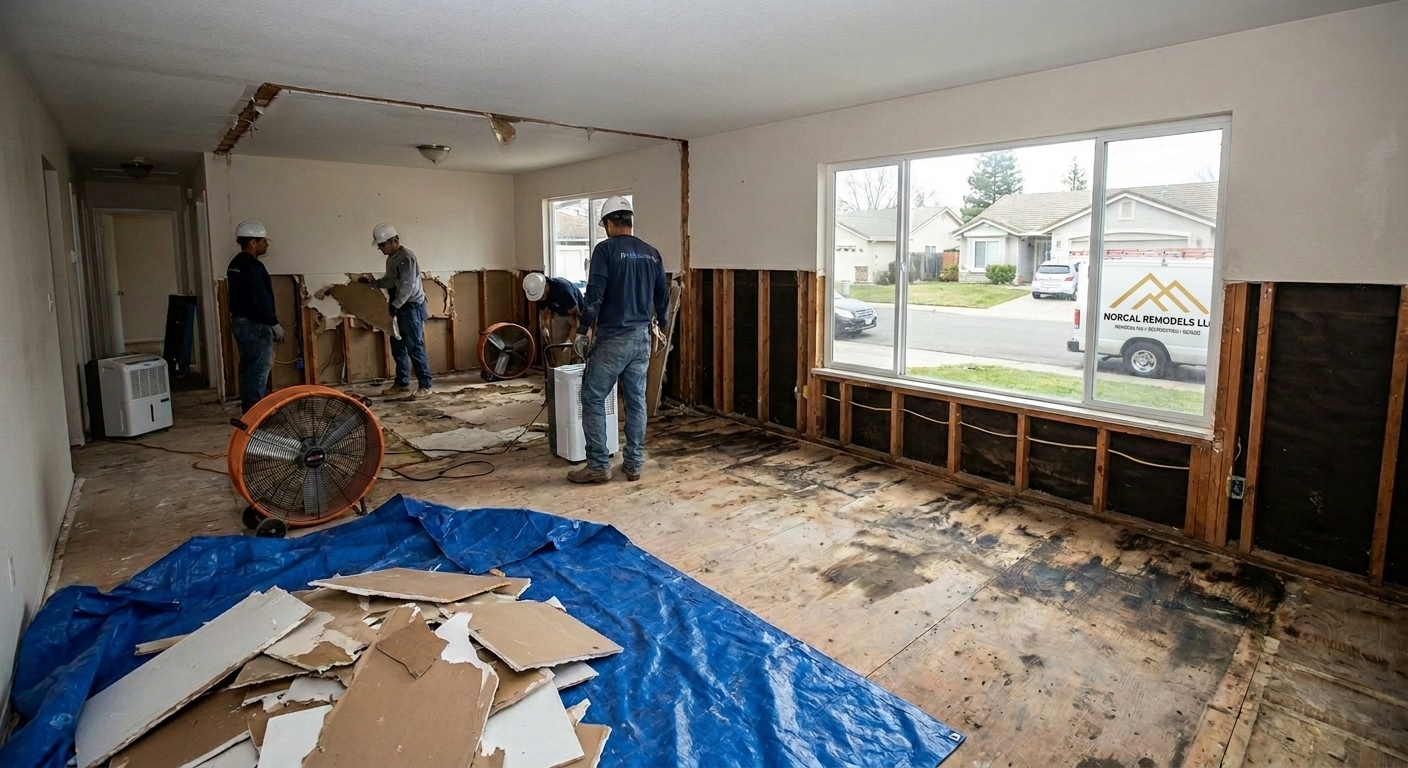
That's what happens when you treat symptoms instead of problems. A visible leak is just the tip of the iceberg. If water's been sitting for days — or weeks — you're not looking at a cosmetic fix. You're looking at structural repairs, mold remediation, and possibly tearing out sections of your home just to see what's salvageable. What could've been a few hundred bucks in materials becomes thousands in labor, permits, and rebuilding.
Waiting Makes It Worse and More Expensive
Time is not on your side when water's involved. The longer moisture sits, the more it spreads. And the more it spreads, the bigger the repair gets. A ceiling that could've been patched now needs full replacement. A floor that might've dried out now has to be ripped up completely. Delay turns minor repairs into major reconstruction.
And here's the kicker — insurance companies don't like to pay for damage that could've been prevented. If they see that you knew about the leak and didn't act, they might deny your claim or reduce your payout. That means you're covering the full cost out of pocket, and all because you thought you could wait it out or handle it yourself.
What Smart Homeowners Do First
You don't have to be a contractor to protect your home. You just need to be proactive. Catching problems early and taking the right steps can save you thousands and keep a small issue from becoming a total disaster.
- Check your roof after every storm for missing shingles or pooling water
- Inspect under sinks, around toilets, and near water heaters for leaks or moisture
- Test your sump pump regularly if you have a basement or crawl space
- Look for water stains on ceilings and walls, especially after heavy rain
- Monitor your water bill for unexpected spikes that could indicate a hidden leak
Why DIY Doesn't Always Cut It
Sure, you can handle a dripping faucet or a clogged drain. But when water's already inside your walls or under your floors, that's not a YouTube tutorial situation. You need professionals who know how to assess the full scope of the damage, not just what's on the surface.
A real water damage restoration team will use moisture meters, thermal imaging, and air movers to find every pocket of water. They'll pull back drywall if needed, test for mold, and map out a plan that actually fixes the problem instead of covering it up. And if insurance is involved, they'll document everything so your claim doesn't get denied over missing paperwork.
Choosing a Restoration Company That Actually Shows Up
- Look for IICRC certification in water damage restoration
- Ask how quickly they can be on-site after your call
- Verify they carry liability insurance and workers' comp
- Check reviews from other Roseville homeowners who've used them
- Make sure they handle insurance claims documentation from start to finish
Mold Doesn't Wait for Permission
Once water's been sitting for 24 to 48 hours, mold starts growing. And once it starts, it spreads fast. Mold damages your home and puts your family's health at risk, especially if anyone has asthma or allergies. You can't just wipe it off and pretend it's gone — if the moisture source isn't eliminated, it'll come right back.
Professional mold remediation involves containment, air filtration, removal of affected materials, and treatment of remaining surfaces. It's not cheap, but it's a lot cheaper than letting mold take over your entire home. And it's definitely cheaper than dealing with long-term health issues because you ignored the problem.
Documentation Saves Your Claim
If you're filing an insurance claim, your documentation needs to be airtight. Take photos of every affected area before anything gets touched. Save receipts for emergency repairs. Keep a log of who you talked to and when. The more proof you have, the harder it is for your insurer to deny or reduce your claim.
- Photograph all visible damage from multiple angles
- Document the source of the water if you can identify it
- Save all invoices from plumbers, restoration crews, and contractors
- Keep a written timeline of when the damage occurred and what you did about it
- Request copies of all inspection and moisture reports from your restoration team
Prevention Beats Renovation Every Time
The best water damage is the kind that never happens. Investing in prevention now can save you from dealing with a full-scale repair project later. Install leak detectors near water heaters and washing machines. Upgrade old plumbing before it fails. Make sure your gutters and downspouts direct water away from your foundation.
- Replace washing machine hoses every five years
- Install a water leak detection system with automatic shutoff
- Clean gutters twice a year to prevent overflow and roof damage
- Seal cracks in your foundation to keep groundwater out
- Insulate pipes in unheated areas to prevent freezing and bursting
When the Problem's Bigger Than You Thought
Sometimes what looks like a small leak turns out to be a major structural issue. Maybe the roof's been leaking for months and the decking is shot. Maybe the pipe that burst was already corroded and needs a full re-pipe. When that happens, you need a team that can handle the big picture — not just patch the obvious and hope for the best.
A good restoration company will bring in the right contractors, pull the necessary permits, and coordinate the entire project so you're not juggling five different phone numbers. They'll make sure the work meets code, passes inspection, and actually solves the problem instead of just hiding it behind fresh paint. Professional drywall installation and repair ensures structural integrity is maintained throughout the restoration process. When water damage extends to kitchens or bathrooms, coordinating with experienced teams for kitchen remodel and bathroom remodel projects becomes essential to restore these critical spaces properly.
Speed and Skill Make All the Difference
Water damage doesn't get better with time. It gets worse. The faster you act, the more you save — in both money and stress. But speed without skill is just expensive chaos. You need a team that moves quickly and knows exactly what they're doing, from the first emergency call to the final walkthrough.
That's what separates a quick fix from a lasting solution. We've worked with Roseville homeowners who thought they could handle it themselves, only to end up ripping out twice as much material and spending three times the budget. The ones who called in pros from the start? They saved time, saved money, and got their homes back to normal without the guesswork. Professional interior painting and tile and flooring installation complete the restoration work, returning your home to its pre-damage condition or better. Don't wait until a small problem turns into a total rebuild. Handle it right the first time, and your home — and your wallet — will thank you.
Let’s Restore Your Peace of Mind
We know how overwhelming water damage can feel, but you don’t have to face it alone. Let’s work together to protect your home and get things back to normal as quickly as possible. If you’re ready for real solutions and a team that puts your needs first, call us at 916-537-6269 or get a quote today and let’s get your home on the road to recovery.
‹ Back